
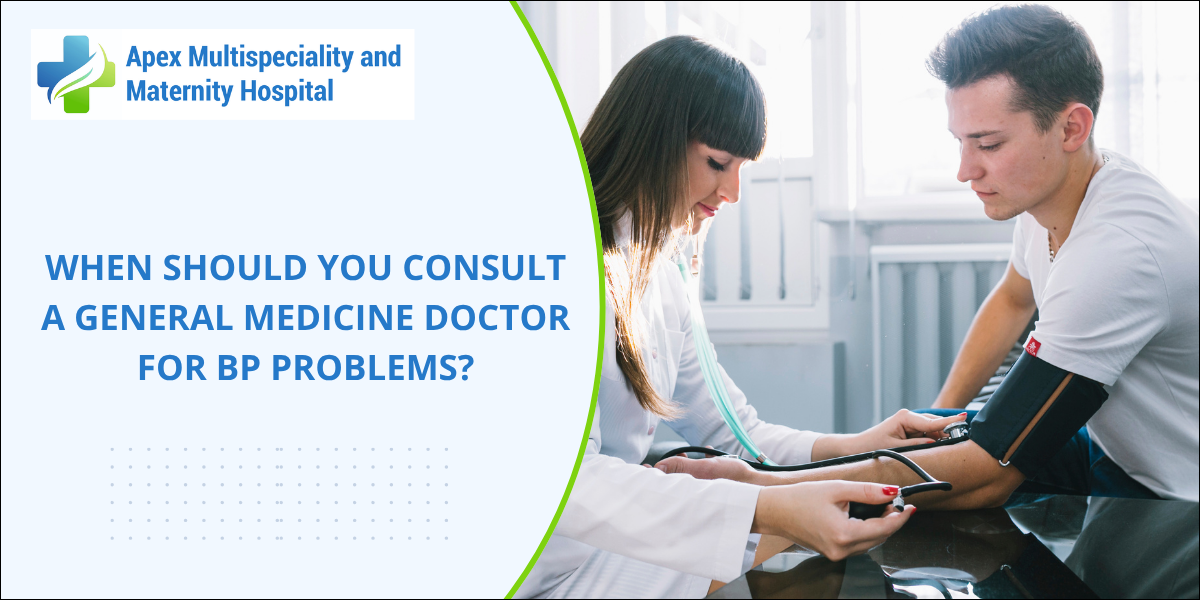
High blood pressure (BP), also known as hypertension, is often called the “silent killer” because it may not show noticeable symptoms until it causes serious health complications. Similarly, low blood pressure (hypotension) can also affect your daily life and may indicate an underlying medical condition.
General Medicine specialists are trained to diagnose, manage, and prevent a wide range of health conditions, including blood pressure disorders. Early diagnosis and regular monitoring can significantly reduce the risk of heart disease, stroke, kidney damage, and other life-threatening complications.
Understanding Blood Pressure
Blood pressure measures the force of blood against your artery walls. It is recorded as two numbers:
- Systolic Pressure: Pressure when the heart pumps blood.
- Diastolic Pressure: Pressure when the heart rests between beats.
A normal blood pressure reading is typically around 120/80 mmHg.
High Blood Pressure (Hypertension)
Hypertension occurs when blood pressure consistently remains above 140/90 mmHg (or as advised by your doctor). Over time, uncontrolled hypertension can damage vital organs.
Low Blood Pressure (Hypotension)
Low blood pressure generally refers to readings below 90/60 mmHg and may cause dizziness, fainting, weakness, or fatigue.
Signs You Should Consult a General Medicine Doctor for BP Problems
1. Frequent High Blood Pressure Readings
If your home BP monitor consistently shows high readings, don’t ignore them. Persistent hypertension often develops without symptoms but increases the risk of:
- Heart attack
- Stroke
- Kidney disease
- Vision problems
A General Medicine doctor will evaluate your readings, identify possible causes, and recommend appropriate treatment.
2. Persistent Headaches
Frequent or severe headaches, especially accompanied by high BP readings, should never be ignored. Although headaches aren’t always caused by hypertension, they may indicate dangerously elevated blood pressure requiring immediate medical attention.
3. Dizziness or Fainting
Recurring dizziness, lightheadedness, or fainting episodes may result from:
- Low blood pressure
- Medication side effects
- Heart conditions
- Dehydration
A thorough medical evaluation helps determine the exact cause and prevents complications.
4. Chest Pain or Shortness of Breath
Chest discomfort or difficulty breathing alongside abnormal blood pressure requires urgent medical consultation. These symptoms could indicate serious cardiovascular issues that need immediate diagnosis and treatment.
5. Blurred Vision
Uncontrolled high blood pressure can damage the tiny blood vessels in your eyes, causing blurred or reduced vision. Early intervention helps prevent permanent eye damage.
6. Fatigue and Weakness
Persistent tiredness, weakness, or reduced stamina may be linked to low blood pressure or poor circulation. A General Medicine physician can identify whether BP abnormalities are contributing to your symptoms.
7. Existing Medical Conditions
Individuals with the following conditions should regularly consult a General Medicine doctor for blood pressure monitoring:
- Diabetes
- Kidney disease
- Heart disease
- High cholesterol
- Thyroid disorders
- Obesity
Managing these conditions together significantly lowers long-term health risks.
Common Causes of Blood Pressure Problems
Blood pressure abnormalities may develop due to various reasons, including:
- Family history
- Excess salt intake
- Lack of physical activity
- Obesity
- Stress and anxiety
- Smoking
- Alcohol consumption
- Hormonal disorders
- Kidney disease
- Certain medications
Identifying the underlying cause is essential for effective treatment.
Tips to Maintain Healthy Blood Pressure
You can lower your risk of BP-related complications by following these healthy habits:
- Monitor your blood pressure regularly.
- Eat more fruits, vegetables, and whole grains.
- Reduce processed and salty foods.
- Exercise for at least 30 minutes most days.
- Maintain a healthy body weight.
- Manage stress through yoga or meditation.
- Stay hydrated.
- Avoid tobacco products.
- Limit alcohol intake.
- Follow your doctor’s treatment plan consistently.
Small lifestyle changes can make a significant difference in maintaining healthy blood pressure.
Frequently Asked Questions
1. When should I consult a General Medicine doctor for high blood pressure?
You should consult a doctor if your blood pressure remains consistently above 140/90 mmHg, or if you experience headaches, dizziness, chest pain, blurred vision, or shortness of breath.
2. Can high blood pressure occur without symptoms?
Yes. Hypertension is often called the “silent killer” because many people experience no symptoms until complications develop.
3. Is low blood pressure dangerous?
Low blood pressure can be harmless in some individuals, but persistent hypotension causing dizziness, fainting, or weakness should be evaluated by a General Medicine doctor.
4. Can lifestyle changes control blood pressure?
Yes. A healthy diet, regular exercise, weight management, reduced salt intake, stress control, and avoiding smoking can significantly improve blood pressure.
Take Charge of Your Blood Pressure Today
Ignoring blood pressure problems can lead to serious health complications. Whether you’re experiencing high BP, low BP, or symptoms like dizziness, headaches, or fatigue, early medical attention can help prevent long-term damage.
At Apex Multispeciality Hospital, Kondhwa, our experienced General Medicine specialists provide accurate diagnosis, personalized treatment, and ongoing care to help you maintain a healthy heart and a better quality of life.
Book your consultation today at Apex Multispeciality Hospital, Kondhwa, and take the first step toward better blood pressure management and long-term wellness.