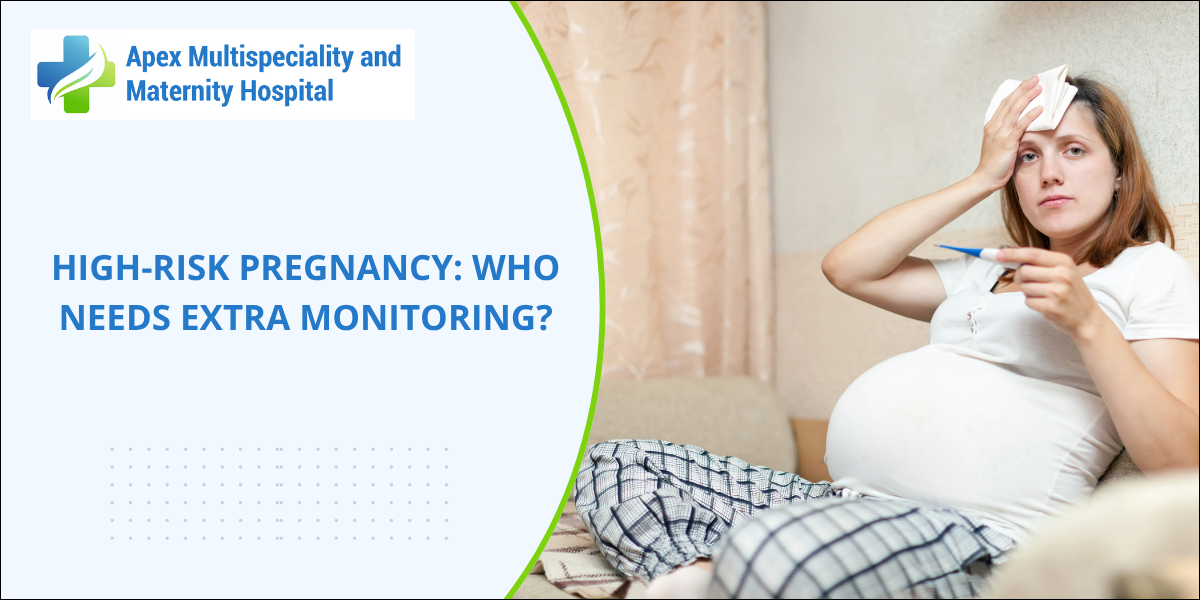
Hearing that your pregnancy is “high risk” can feel unsettling. In most cases, it simply means your obstetrician wants closer follow-up so small problems are noticed early. Extra monitoring is a plan for safety, not a prediction that something will go wrong.
This guide explains what a high-risk pregnancy is, who may need more check-ups, what monitoring often involves and when to seek care urgently.
What Does High-Risk Pregnancy Mean?
A pregnancy may be called high risk when the mother, the baby or both have a higher chance of complications than average. That chance can relate to a health condition you already have, something that develops during pregnancy or factors such as age and previous pregnancy history.
Being labelled high risk does not mean you will have a complicated delivery. Many women with risk factors go on to have healthy babies with regular antenatal care, timely tests and clear guidance on warning signs. Your care plan is tailored to you, so two women with the same label may still need different follow-up.
At Apex Multispeciality and Maternity Hospital in Kondhwa, Pune, obstetrics and gynecology services include pregnancy care, antenatal care and high-risk pregnancy management, along with labour, delivery and postnatal support.
Who May Need Extra Monitoring?
Your doctor decides based on your full history and examination. Common reasons for closer follow-up include:
Pre-existing health conditions
- Diabetes or blood sugar problems that need tighter control in pregnancy
- High blood pressure or heart disease
- Kidney disease, thyroid disorders or autoimmune conditions
- Blood clotting disorders or significant anaemia
If you live with diabetes, coordinated care with a diabetologist in Kondhwa may sit alongside your obstetric visits. High blood pressure also needs early review with your obstetric and medicine teams.
Conditions that arise during pregnancy
- Gestational diabetes
- Pregnancy-related high blood pressure or pre-eclampsia
- Placenta previa or other placental concerns
- Restricted baby growth or amniotic fluid concerns
- Multiple pregnancy (twins or more)
Pregnancy history and age-related factors
- Previous preterm birth, stillbirth or complicated delivery
- Previous caesarean section, when closer review is advised
- Very young maternal age or older maternal age, if your doctor recommends it
Only your obstetrician can confirm whether your pregnancy needs a high-risk pathway. Do not self-diagnose from a list online.
What Does Extra Monitoring Usually Include?
Monitoring is adjusted to the reason for concern. It may include:
- More frequent antenatal visits than a routine schedule
- Blood pressure checks and urine tests for protein
- Blood tests for sugar control, blood count or other markers your doctor chooses
- Ultrasound scans to assess growth, amniotic fluid and placental position
- Foetal heart rate monitoring later in pregnancy, if advised
- A clear birth plan that may discuss timing or place of delivery
Ask what each test is for and what results would change the plan. Understanding the “why” often makes the schedule easier to follow. Everyday habits still matter too. For practical wellness advice that sits alongside specialist care, see Apex Hospital’s essential tips for a healthy pregnancy.
How Extra Monitoring Helps Mother and Baby
Closer follow-up helps your team spot rising blood pressure, sugar swings or growth concerns early, adjust medicines that are safe in pregnancy when needed and plan delivery with the right support ready. Apex Hospital’s maternity services include neonatal care support and 24×7 emergency maternity care. After birth, paediatric care in Kondhwa can continue support for your newborn when required.
Warning Signs: When to Seek Care Urgently
Contact your obstetrician or go to emergency care without waiting for the next appointment if you notice:
- Severe headache, vision changes, sudden swelling of face or hands, or upper abdominal pain
- Vaginal bleeding or leaking fluid
- Strong, regular contractions before your due date
- A clear drop in the baby’s usual movements
- Chest pain, breathlessness, fainting or fever with severe vomiting
Apex Hospital provides emergency medical care in Kondhwa and is open 24 hours. If something feels wrong, seek help.
Practical Tips If Your Pregnancy Is High Risk
- Keep all antenatal appointments, even when you feel well
- Take prescribed medicines exactly as advised; do not stop them on your own
- Use home blood pressure or sugar logs only if your doctor asked for them
- Rest when you need to, and ask about safe activity rather than guessing
- Share every symptom honestly, including anxiety
- Keep emergency numbers easy to find and involve your partner or family
Frequently Asked Questions About High-Risk Pregnancy
Does high-risk pregnancy always mean a caesarean section?
No. Many women with risk factors still have a vaginal birth when it is safe. Delivery mode depends on your condition, the baby’s wellbeing and your obstetrician’s assessment at the time.
Can a pregnancy become high risk later, even if it started as low risk?
Yes. Conditions such as gestational diabetes or rising blood pressure can appear later. That is one reason routine antenatal visits remain important throughout pregnancy.
Will I need bed rest?
Not always. Complete bed rest is less commonly advised than in the past. Your doctor may suggest reduced activity or hospital observation in specific situations.
Is travel safe in a high-risk pregnancy?
It depends on the reason for risk, how far along you are and how stable your condition is. Ask your obstetrician before long journeys or flights.
How often will I need scans or tests?
There is no single schedule. Some women need only a few extra visits; others need weekly checks later in pregnancy. Your obstetrician will explain and update the plan as findings change.
Can lifestyle changes lower my risk?
Healthy eating, not smoking, avoiding alcohol in pregnancy and managing sugar or blood pressure as advised can support a safer course. They do not replace medical follow-up.
Talk to a Maternity Specialist About Your Pregnancy Plan
If you have been told your pregnancy needs closer follow-up, or you have diabetes, high blood pressure, a previous complicated pregnancy or new worrying symptoms, speak with an obstetrician promptly.
Apex Multispeciality and Maternity Hospital in Kondhwa, Pune offers pregnancy care, antenatal care, high-risk pregnancy management, normal delivery, caesarean section and postnatal care, with 24×7 emergency maternity support. Obstetrics and gynecology consultation is available with Dr. Aaliya Inamdar, MD (Ob-Gyn), Director of the hospital (OPD: Monday to Saturday, 10:00 am to 2:00 pm and 7:00 pm to 9:00 pm; Sunday by appointment).
Address: Madina Hotel Lane, Kausar Baugh, Kondhwa, Pune, Maharashtra 411048 Phone: +91 7559193659 Email: apexhospital2023@gmail.com Hours: Open 24 hours
Book an appointment or call the hospital to discuss your antenatal plan. Bring your previous reports and a list of medicines so your first visit is as useful as possible.